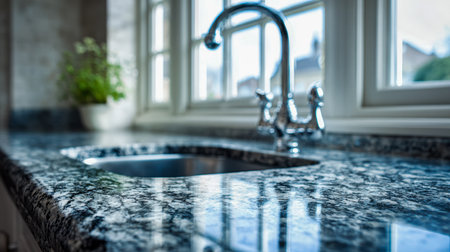

Introduction to Vastu Shastra for Indian Kitchens
Vastu Shastra is an ancient Indian science of architecture and design that plays a significant role in shaping the energy, harmony, and prosperity of homes across the country. Deeply rooted in Indian culture, Vastu principles guide how spaces should be structured and used to maximise positive energy flow and overall well-being. Among all the areas in a traditional Indian household, the kitchen holds special importance as it is considered the heart of the home—the place where food, health, and prosperity originate. According to Vastu, the layout of the kitchen and especially the placement and quality of water sources within it can have a direct impact on family health, financial stability, and happiness. This article delves into essential Vastu tips for kitchen water direction and quality, providing practical solutions tailored for Indian homes that wish to harmonise tradition with modern living.
Ideal Direction for Kitchen Water Source According to Vastu
In Indian culture, the kitchen is not just a place for cooking but also a space deeply linked with health and prosperity. According to Vastu Shastra, the direction and placement of water sources like sinks, taps, and underground tanks play a critical role in maintaining the positive energy flow in your home. Choosing the right direction for these water elements helps avoid common issues such as financial instability or family discord.
Vastu-Recommended Directions for Kitchen Water Sources
The most auspicious direction for placing kitchen water sources is the northeast (Ishan) corner. This is because the northeast is associated with water elements in Vastu and is believed to attract positive vibrations when kept clean and clutter-free. Sinks, taps, and even drinking water storage should ideally be positioned here. If the northeast is unavailable due to layout constraints, the north or east directions are considered acceptable alternatives.
Common Kitchen Layouts & Directional Recommendations
| Kitchen Element | Most Auspicious Direction | Acceptable Alternatives | Directions to Avoid |
|---|---|---|---|
| Sink/Tap | Northeast (Ishan) | North/East | Southwest, Southeast |
| Underground Water Tank | Northeast (Ishan) | East/North | South, West |
| Drinking Water Filter/RO | Northeast (Ishan) | North/East | South/Southwest |
Regional Variations Across India
India’s diverse climates and regional construction practices sometimes demand flexibility. For instance, in South India where kitchens may be smaller or located on upper floors, aligning the sink towards the northeast can be challenging. In such cases, ensure that water outlets do not directly face the south or southwest to prevent negative energy accumulation. North Indian homes with larger kitchens can usually accommodate ideal placements more easily.
By following these directional guidelines, homeowners across India can harmonize their kitchen’s energy flow while respecting local layouts and traditions. This approach supports both spiritual well-being and practical household management.

3. Impact of Water Quality on Health and Vastu Harmony
In the context of Indian homes, water quality is not only a matter of physical health but also plays a crucial role in maintaining positive Vastu energy within the kitchen. According to Vastu Shastra, water represents the element of Jal Tatva, which is linked with purification, prosperity, and flow of positive energy. However, many Indian households face significant challenges related to water purity due to factors like hard water, contamination from industrial or agricultural runoff, and outdated plumbing systems.
Poor water quality can adversely affect family health by causing waterborne diseases such as cholera, typhoid, and dysentery. Moreover, from a Vastu perspective, impure or stagnant water disrupts the natural balance and may lead to financial instability and disharmony among residents. Therefore, regular testing for Total Dissolved Solids (TDS), installation of reliable water purifiers, and proper maintenance of storage tanks are essential steps for ensuring both physical well-being and Vastu compliance.
Vastu recommends that kitchens should have clean running water positioned towards the northeast or north direction to enhance positivity. Using traditional copper vessels for storing drinking water is another age-old Indian practice aligned with both health and Vastu benefits—copper naturally purifies water and adds trace minerals beneficial for immunity.
By addressing local challenges such as groundwater contamination or excessive mineral content through suitable filtration methods and adhering to recommended Vastu placements, Indian families can foster an environment where both wellness and harmonious energies flourish.
4. Common Vastu Doshas Related to Kitchen Water Placement
In Indian homes, especially those in both urban apartments and rural houses, improper placement of water sources in the kitchen often leads to Vastu doshas (defects). These issues not only disrupt the energy flow but are also believed to cause health and financial difficulties. Understanding these typical Vastu defects and their cultural context is essential for ensuring harmony within the household.
Typical Kitchen Water Placement Doshas
| Vastu Dosha | Description | Cultural Impact |
|---|---|---|
| Water Source in South-East (Agneya) Corner | This area is ruled by Agni (fire), and placing water here is seen as a conflict between fire and water elements. | May lead to family disputes and health concerns, according to traditional beliefs. |
| Water Tank Above Cooking Stove | Water element above fire element creates an energetic imbalance. | Believed to cause financial instability and obstacles in career growth. |
| Main Sink in North-West (Vayavya) Corner | North-West is governed by Vayu (air), which may disturb the cleansing energy of water. | Might result in lack of peace and frequent illness within the family. |
| Leaking Faucets or Stagnant Water | Poor maintenance leading to leakage or stagnant water near the kitchen sink or storage. | Considered highly inauspicious, symbolising loss of wealth and prosperity. |
| Underground Water Tanks in Wrong Direction | Tanks placed towards the South or South-West instead of North or East directions. | Associated with blocked opportunities and persistent family problems. |
Cultural Significance of Rectifying Vastu Doshas
Across India, rectifying Vastu doshas is more than just following tradition; it reflects a deep-rooted belief that home energies directly influence individual well-being. Families undertake remedies not only for spiritual alignment but also to enhance positivity, health, and overall prosperity. Whether it is performing simple rituals or structural changes, these actions are viewed as preventive measures safeguarding both material and emotional aspects of life. By addressing kitchen water placement issues, Indian households aim to ensure uninterrupted harmony and abundance for all members.
5. Effective Vastu Remedies & Solutions for Indian Homes
Addressing kitchen water direction and quality issues in line with Vastu Shastra does not always require major renovations or significant expenses. There are several practical, low-cost solutions and time-tested Indian remedies that can harmonise your kitchen’s energy and improve overall well-being.
Low-Cost Vastu Adjustments for Water Direction
If relocating the sink or water source to the ideal North-East or East direction is not feasible, consider these adjustments:
- Place a Copper Vessel: Keep a copper vessel filled with clean water in the North-East corner of the kitchen to symbolically enhance positive water energy.
- Use Mirrors: Position a small mirror on the North or East wall to reflect and amplify the beneficial energies associated with these directions.
- Install a Water Fountain: A small tabletop fountain in the North-East zone can mimic water flow, balancing any Vastu defects without structural changes.
Traditional Indian Practices to Enhance Water Quality
Indian households have long relied on natural methods to purify and energise drinking and cooking water:
- Tulsi Leaves: Adding fresh Tulsi (holy basil) leaves to stored water helps purify it and infuses spiritual positivity as per Indian tradition.
- Copper Pots: Storing water overnight in a copper pot not only improves its taste but also aligns with Ayurvedic principles for health benefits.
- Lemon Slices: Placing lemon slices in drinking water jars can help maintain freshness and reduce negative energy as believed in many Indian homes.
Quick Fixes for Common Kitchen Water Issues
If you notice persistent problems like leaks or stagnant water, address them promptly:
- Fix Leaks: Repair leaking taps or pipes immediately, as per Vastu, water wastage is directly linked to financial loss and negativity.
- Avoid Clutter: Keep the area around the sink clean and clutter-free to prevent blocked energy flow.
Cultural Tips for Ongoing Harmony
Regularly performing simple rituals such as sprinkling Ganga jal (holy water) or lighting a camphor diya (lamp) near the kitchen sink is said to dispel negative energies according to many Indian customs. Integrating these cost-effective remedies with mindful attention to Vastu guidelines helps create a healthy, harmonious kitchen environment suitable for every Indian home.
6. Frequently Asked Questions by Indian Homeowners
Is it compulsory to keep the kitchen sink in the north-east direction?
No, it is not compulsory, but Vastu Shastra suggests that the north-east or east direction is most auspicious for water-related elements in the kitchen, like sinks and water purifiers. This is because these directions are believed to harness positive energy and promote health in the home. However, practical considerations like plumbing layout and space availability should also be taken into account.
Can we place RO water purifiers anywhere in the kitchen?
According to Vastu principles, it is ideal to install the RO water purifier or any water filter in the north-east corner of your kitchen. If this is not possible, placing it towards the north or east wall is also considered good. Avoid keeping it in the south-west or south direction, as these are associated with negative energies for water elements.
What if my kitchen water outlet faces a different direction?
If your sink or drainage is not aligned with Vastu guidelines, do not worry. Simple remedies such as placing a green plant near the sink, or using copper vessels for storing water can help balance any negative energy. Remember, intention and cleanliness matter just as much as direction.
Does the quality of water really affect Vastu?
Absolutely! Clean and pure water is vital for positive Vastu in your kitchen. In many Indian homes, people store drinking water in copper or clay pots, which not only improves taste but also aligns with traditional beliefs about health and energy flow. Regularly cleaning your storage containers and checking for leaks ensures good ‘Jal Tatva’ (water element) harmony.
Is there a specific colour recommended for kitchen walls near the sink?
Yes, light shades such as white, light blue, or green are recommended near the water area of your kitchen according to Vastu Shastra. These colours are said to promote calmness and purity. Avoid dark colours like black or grey near the sink area as they may attract negative vibes.
Do minor Vastu defects impact my family’s well-being?
Minor deviations from Vastu norms do not cause immediate harm. What matters most is maintaining hygiene, positivity, and a balanced atmosphere in your kitchen. Small changes like keeping the area clutter-free, using natural materials (like brass or copper), and expressing gratitude while cooking can go a long way in enhancing household harmony.
Conclusion
Indian families often have concerns about aligning their kitchens with Vastu principles, especially regarding water direction and quality. By blending traditional wisdom with practical solutions suited to local conditions, you can create a healthy and prosperous home environment without stress or over-complication.