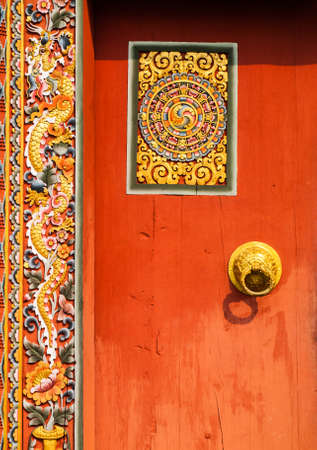

Understanding Vastu Dosh at Main Entrance
Vastu Dosh is a term deeply rooted in Indian culture, referring to the imbalance or faults in the energy flow of a home as per Vastu Shastra. This ancient architectural science guides the placement and design of spaces to ensure harmony with natural forces. When it comes to the main entrance door, Vastu Dosh typically means that the entryway does not align with Vastu principles, potentially inviting negative energy or blocking positive vibes. Common causes of Vastu Dosh at the main entrance include doors facing the wrong direction (such as south or southwest), cluttered or blocked entrances, broken nameplates, or placing dustbins near the entry. Such misalignments are believed to disrupt prosperity, health, and happiness in Indian homes. Understanding these causes is crucial because, according to Indian tradition, the main door is considered the gateway for all energies entering your house. Fixing Vastu Dosh at this point is essential for maintaining overall wellbeing and attracting good fortune in everyday life.
Traditional Signs of Vastu Dosh at Entry Doors
In Indian culture, the main entrance door or Pravesh Dwar is considered as the gateway for positive energies (Shubh Urja) to enter the home. According to traditional Vastu Shastra, certain signs and indicators are believed to show the presence of Vastu Dosh, or architectural imbalances, at the entry door. These imbalances can affect family harmony, health, and prosperity. Below is an overview of common traditional indicators and popular beliefs about Vastu Dosh at main entrances in Indian households:
| Traditional Indicator | Description & Local Belief |
|---|---|
| Main Door Facing South | Considered inauspicious as per Vastu; believed to attract negative energy (Durbhagya) and financial troubles. |
| Broken or Creaking Door | A door with cracks, broken panels or loud creaking sound is thought to disturb peace and bring obstacles (Rog aur Badha). |
| Main Entrance Directly Opposite Back Door | This alignment is said to cause wealth loss, as positive energy flows out quickly. |
| Clutter or Dustbin Near Door | Keeping shoes, dustbins or clutter at the entrance is locally believed to block good fortune (Lakshmi Pravesh mein badha). |
| No Nameplate or Auspicious Symbols | The absence of a nameplate or symbols like Swastik, Om, or Kumkum Tilak on the door is seen as unwelcoming for positivity. |
| Main Door Shadowed by Tree/Pillar | If a tree or pillar blocks the entrance, it is considered a hindrance (Vighna) for opportunities. |
| Main Door Opening Anti-Clockwise or Stuck Movement | An entrance that opens anti-clockwise or gets stuck while opening/closing is thought to restrict progress. |
These indicators are rooted in centuries-old beliefs across North and South India. Elders in many families often refer to such Vastu Dosh signs before performing Griha Pravesh (housewarming) puja or moving into a new house. Recognizing these local terms and concepts helps Indian homeowners relate easily to Vastu principles and motivates them to take simple corrective measures for better harmony and prosperity.

3. Simple Home Remedies with Hindi Cultural Touch
In Indian households, especially those following Hindi traditions, Vastu Shastra is deeply respected. If you notice Vastu Dosh at your main entrance, there are several simple and culturally meaningful remedies you can try using easily available household items. Below are some effective tips:
Use of Holy Water (Gangajal)
Sprinkling Gangajal at the main door is a common practice. It is believed to purify the entrance and remove negative energies caused by Vastu Dosh.
Placing Swastik Symbol
Draw a Swastik symbol on both sides of the main door using turmeric paste or kumkum. This ancient Hindu sign is considered auspicious and attracts positivity.
Hang a Lemon and Green Chilies Totka
Hanging seven green chilies and one lemon tied together at the entrance is a popular Indian remedy to ward off evil eye and negative energies.
Install a Toran Made of Mango Leaves
Decorate the top of your main entrance with a toran (bandhanwar) made of fresh mango leaves and marigold flowers during festivals or special occasions. This traditional decor is said to welcome prosperity and happiness.
Lighting a Diya Every Evening
Light an oil lamp (diya) at the main door every evening. The presence of light is thought to dispel darkness and negativity from entering your home.
Apply Kumkum or Chandan Tilak
Marking the entrance with kumkum or sandalwood paste (chandan) tilak can invoke divine blessings and create a spiritually charged environment.
These easy-to-follow remedies are not only rooted in Hindi culture but also help maintain harmony, positivity, and prosperity at your home’s main entry point.
4. Using Sacred Symbols and Natural Elements
In Indian culture, the main entrance is considered the gateway for positive energy and prosperity. To correct Vastu Dosh at the entrance, many households turn to sacred symbols and natural elements, which are both easy to implement and deeply rooted in tradition.
Popular Sacred Symbols for Main Entrance
| Symbol | Significance | How to Use |
|---|---|---|
| Om (ॐ) | Represents universal creation and peace | Draw or stick above the entrance door; ensures tranquility and spiritual protection |
| Swastik (卐) | Symbol of good fortune and auspiciousness | Mark on both sides of the entrance door with turmeric or kumkum; brings luck and wards off negativity |
| Mangal Kalash | Denotes abundance and purity | Place a small pot filled with water, mango leaves, and a coconut near the entrance |
Natural Elements to Enhance Vastu Energy
- Tulsi Plant: Placing a Tulsi (holy basil) plant near the main door purifies air and attracts positive vibes. It is especially auspicious in Hindu homes.
- Ashoka or Money Plant: These plants are believed to absorb negative energies and bring in prosperity when kept near entrances.
- Sacred Water Bowls: Bowls filled with water and flowers can be placed at the doorway to invite harmony and freshness.
The Role of Rangoli Designs
Drawing colourful rangoli patterns at the threshold is a traditional practice during festivals and special occasions. Besides being visually appealing, rangoli made with rice flour, turmeric, or coloured powders is said to welcome Goddess Lakshmi—the deity of wealth—and deter negative forces from entering the home.
Cultural Tip:
Many Indian families combine these remedies—sacred symbols along with fresh plants and vibrant rangoli—for maximum effect. This blend not only enhances Vastu compliance but also adds beauty and a welcoming touch to your main entrance door.
5. Daily Practices and Rituals for Positive Energy
In Indian homes, maintaining positive energy at the main entrance is essential for Vastu compliance. Adopting simple daily rituals rooted in Hindi culture can effectively remove Vastu Dosh and attract harmony. Here are some time-tested suggestions:
Lighting Diyas at the Entrance
Lighting an oil lamp or diya every morning and evening near the main door is a traditional practice believed to dispel negativity and invite divine blessings. Use pure ghee or sesame oil for best results. Place the diya on the right side of the entrance as you face outwards, ensuring it does not block the pathway.
Reciting Shlokas and Mantras
Chanting sacred shlokas or mantras such as “Om Gan Ganapataye Namah” or the Gayatri Mantra at the entrance purifies the surroundings and brings auspiciousness. Recite these either while lighting the diya or before stepping out each day. Playing recorded mantras can also create a serene atmosphere if chanting is not possible.
Regular Cleaning and Rangoli
Keep the entrance clean and clutter-free to allow energy to flow freely. Sweeping the area daily, especially in the morning, is considered beneficial. Drawing simple rangoli designs using rice flour or natural colors welcomes Lakshmi, the goddess of prosperity, according to Hindi tradition.
Use of Auspicious Symbols
Draw or hang symbols like Swastika, Om, or feet of Goddess Lakshmi on both sides of the door with kumkum or turmeric paste. These symbols are culturally significant in India and believed to protect against negative influences.
Fresh Flowers and Incense
Placing fresh marigold garlands or leaves at the entrance and burning incense sticks (agarbatti) further enhances positivity. Change flowers regularly and avoid dried or wilted ones to keep energy vibrant.
By consistently following these simple home remedies and daily rituals in Hindi style, you can fix Vastu Dosh at your main entrance door while nurturing a welcoming and positive environment for your family.
6. Consultation and When Professional Help is Needed
While simple home remedies often help balance minor Vastu Dosh at the main entrance, some problems may persist or seem too complex to handle with DIY solutions. In such cases, it is wise to consult a qualified Vastu consultant. A professional can conduct a detailed evaluation of your homes layout, orientation, and energy flow, providing precise recommendations based on traditional Indian Vastu Shastra principles.
When to Seek a Vastu Consultant
If you notice ongoing issues such as frequent financial losses, health disturbances, family discord, or negative energy despite applying common remedies like placing Swastik symbols or using sea salt purification, it might be time to seek expert advice. Also, if structural changes are needed—like shifting doors or altering walls—it is better to get guidance from an experienced Vastu practitioner to avoid unintentional errors.
How to Find Trusted Vastu Experts Locally
In India, there are several ways to approach genuine Vastu consultants:
- Word-of-mouth: Ask friends, family members, or neighbors for recommendations. Local communities often know reliable experts who understand the cultural context of your area.
- Temple Priests: Many temple priests have basic knowledge of Vastu and can suggest local consultants with a good reputation.
- Online Platforms: Reputable sites and apps list certified Vastu experts and allow you to check reviews before making an appointment.
Cultural Approach to Seeking Guidance
When consulting a Vastu expert in India, it is customary to offer respect by greeting them with Namaste and sometimes presenting a coconut or sweets as a token of gratitude. Remember that genuine practitioners will focus on practical and affordable solutions rooted in Vastu science rather than expensive rituals. If home remedies fail to resolve the Dosh at your main entrance, do not hesitate to reach out for professional support—the right guidance can restore harmony and positivity to your home.