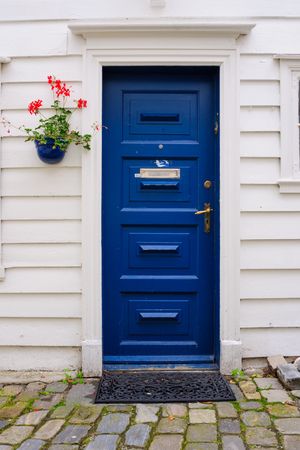

Introduction to Main Door Significance in Vastu Shastra
In the traditional Indian context, the main door is much more than just an entryway—it is considered the “gateway of energy” for your home. According to Vastu Shastra, an ancient Indian architectural science, the main entrance plays a crucial role in welcoming positive energy and prosperity into one’s abode. The orientation, design, and even the surrounding décor of the main door are believed to set the tone for the household’s well-being and fortune. In Indian culture, this belief is deeply rooted, with families often performing rituals and seeking astrological guidance before constructing or decorating their entrance. By adhering to Vastu principles at the main door, homeowners aim to attract shubh urja (auspicious energy), ensure harmony among family members, and invite Lakshmi—the goddess of wealth—into their lives. As we explore entrance decor and plant arrangements in subsequent sections, understanding the Vastu significance of your main door sets a strong foundation for creating a home filled with positivity and prosperity.
2. Choosing the Ideal Direction and Placement for Main Door
When it comes to designing the entrance of your home, Vastu Shastra—an ancient Indian architectural science—places significant emphasis on the direction and placement of the main door. According to traditional beliefs, the orientation of your main door can attract positive energy, prosperity, and well-being into your home. Let’s explore the most auspicious directions and their cultural relevance in Indian homes.
Understanding Auspicious Directions as per Vastu
The North, East, and North-East directions are considered highly favourable for main entrances in Indian architecture. These orientations are believed to harness beneficial cosmic energies from Surya (the Sun) and other natural forces, which are integral to Vastu principles. Here’s a quick overview:
| Direction | Vastu Significance | Cultural Reference |
|---|---|---|
| North | Associated with prosperity and financial growth; ruled by Kubera (the God of Wealth) | Common in Gujarati & Marwari homes; invites wealth and opportunities |
| East | Brings health, positivity, and enlightenment; governed by Indra (King of Gods) | Favoured in South Indian architecture; ensures good fortune and peace |
| North-East (Ishan Kona) | Considered the most sacred zone; enhances spiritual growth and harmony | Often reserved for puja rooms or entrances in traditional North Indian houses |
Key Guidelines for Main Door Placement:
- Avoid placing the main door directly opposite another house’s entrance.
- The entrance should be larger than other doors within the home to signify welcome and openness.
- Main doors must open inwards (towards the interior), ensuring positive energy flows in easily.
- Avoid obstructions like poles, trees, or dustbins directly facing the entrance, as these are believed to block good vibrations.
- If space permits, create a threshold (chaukhat) at the entrance—this is a traditional practice that acts as a barrier against negative energy.
Cultural Note:
In many Indian families, special rituals such as “Griha Pravesh” (housewarming ceremony) are performed when entering through a North or East facing main door, reinforcing the deep-rooted cultural importance of Vastu-aligned entrances. By carefully selecting an auspicious direction for your main door, you lay a strong foundation for positive vibes and holistic well-being in your home environment.
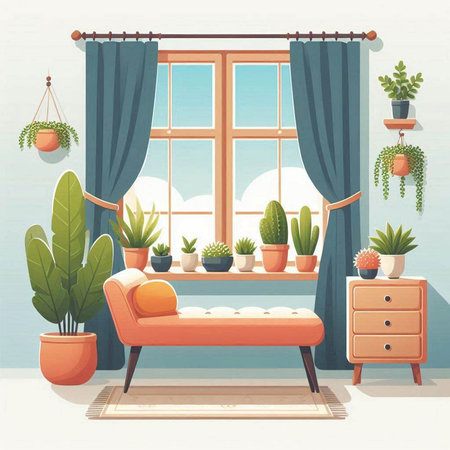
3. Selecting Vastu-Compliant Plants for the Entrance
Popular Auspicious Indian Plants for Main Door Decor
According to Vastu Shastra, choosing the right plants for your entrance is essential for attracting positive energies and protecting your home from negativity. In Indian culture, certain sacred and auspicious plants are especially revered for their ability to purify vibrations and create a welcoming environment at the doorstep. Among these, Tulsi (Holy Basil), Money Plant, and Jasmine hold special significance.
Tulsi: The Sacred Protector
Tulsi, also known as Holy Basil, is considered one of the most spiritually powerful plants in Hindu households. Placing a Tulsi plant near the main door or in a traditional Tulsi Vrindavan not only purifies the surrounding air but is also believed to invite blessings from Goddess Lakshmi. Its aromatic presence wards off negative energies and promotes health and harmony within the home.
Money Plant: Symbol of Prosperity
The Money Plant is widely appreciated in Indian homes for its association with wealth, growth, and prosperity. According to Vastu Shastra, placing a healthy Money Plant near the entrance helps attract financial stability and good luck. For best results, ensure that it grows upwards rather than trailing downwards, symbolizing continuous progress and upward movement in life.
Jasmine: Spreading Positivity & Peace
Jasmine’s fragrant white flowers are not only pleasing to the senses but also have a deep-rooted cultural significance in India. Jasmine plants at the main door are believed to create an aura of positivity and tranquillity. Their sweet scent purifies the atmosphere, while their presence helps reduce stress and fosters a welcoming vibe for all guests entering your home.
Key Tips for Placement
When arranging these Vastu-compliant plants around your entrance, always ensure they are healthy and well-maintained. Avoid thorny or cactus varieties near the main door, as they may block positive energy flow. By thoughtfully incorporating Tulsi, Money Plant, and Jasmine into your entrance décor, you blend traditional Indian values with natural beauty—creating a harmonious transition from the outside world into your living space.
4. Do’s and Don’ts for Arranging Plants Near the Main Door
When enhancing your main door area with plants, Vastu Shastra offers time-tested guidance that reflects both spiritual energy and Indian traditions. The right selection and arrangement of greenery not only elevate aesthetics but also attract positivity and prosperity into your home. Below are essential do’s and don’ts to ensure your entrance aligns with Vastu principles and local customs.
Essential Do’s for Plant Placement
- Choose Auspicious Plants: Place sacred and beneficial plants like Tulsi (Holy Basil), Money Plant, or Jasmine near the main entrance, as they are believed to invite good fortune and cleanse the air.
- Maintain Cleanliness: Always keep the plant pots clean and tidy. Remove dried leaves regularly to maintain a fresh and welcoming aura at the doorway.
- Direction Matters: According to Vastu, placing plants on the north or east side of the main door is ideal. These directions enhance positive energy flow into the house.
- Balanced Arrangement: Ensure symmetry by placing an equal number of pots on either side of the entrance for harmony in space design.
Don’ts for Entrance Plant Décor
- Avoid Thorny or Cactus Plants: Thorny plants, including cactus, should never be kept near the main door as per Indian customs. They are considered to bring obstacles, negativity, and discord within the family.
- No Dry or Artificial Plants: Avoid using artificial or dried plants at the entryway; they represent stagnation and block prosperity.
- Do Not Block the Pathway: Ensure that plant arrangements do not obstruct movement or hinder easy access through the main door. Crowded entrances disrupt energy flow according to Vastu.
Vastu-Friendly Plant Placement: Quick Reference Table
| Plant Type | Recommended? | Best Direction | Cultural Significance |
|---|---|---|---|
| Tulsi (Holy Basil) | Yes | North/East | Pious, purifies environment |
| Money Plant | Yes | East/South-East | Attracts wealth & luck |
| Bamboo Plant | Yes | Near entrance (inside) | Symbol of growth & peace |
| Cactus/Thorny Plants | No | N/A | Create negative vibrations, best avoided at entryways |
| Dried/Artificial Plants | No | N/A | Lack vitality, considered inauspicious in Indian tradition |
| Mango Leaves Toran (string decoration) | Yes (as décor) | Main Door Frame | Auspicious welcome symbol during festivals & celebrations |
Tip:
If you wish to use flowering plants like marigold or jasmine, ensure regular care as fresh blooms signify happiness and ongoing celebration—a value deeply rooted in Indian homes. By following these Vastu tips and customs, your main door becomes a harmonious threshold that welcomes abundance while respecting Indian cultural beliefs.
5. Traditional Decor Elements for Welcoming Entrances
Integrating traditional Indian decor elements at your main entrance is both an aesthetic choice and a way to enhance positive energy according to Vastu Shastra. The entrance is not just a threshold; it’s the gateway for prosperity, harmony, and auspiciousness to enter your home. By blending plant decor with cherished Indian motifs, you can create an inviting space that respects both spiritual guidance and regional traditions.
Rangoli: A Vibrant Welcome
Placing Rangoli at the entrance is a time-honoured Indian practice. These colourful floor patterns are crafted with rice flour, coloured powders, or flower petals. According to Vastu Shastra, Rangoli attracts good fortune and wards off negative energies. When designing your entrance, consider creating Rangoli patterns around pots of Tulsi or flowering plants, seamlessly merging natural beauty with artistic tradition. Opt for circular or symmetrical designs to invite balanced energy flow as per Vastu principles.
Toran: Symbolic Door Hangings
The Toran or Bandhanwar—decorative garlands made from mango leaves, marigold flowers, or beads—are traditionally hung above the main door. They symbolise prosperity and are said to block evil spirits. To harmonise with your plant decor, choose Torans that incorporate fresh leaves or dried flowers matching the potted plants nearby. In South India, mango leaf Torans are particularly popular, while in Gujarat, beadwork and mirror Torans add regional flair.
Diya Lighting: Invoking Auspiciousness
Lighting diyas (earthen lamps) at the doorway is another auspicious tradition. Diyas are believed to attract positive energy and dispel darkness, both literally and spiritually. Place small brass or clay diyas on either side of the door or nestle them among the entrance plants during festivals or special occasions. According to Vastu, lighting lamps in the north-east direction near the entrance brings peace and clarity into the home.
Blending Motifs with Plant Decor
To achieve a harmonious entrance in line with both Vastu Shastra and Indian customs, arrange your plant pots in symmetry around these decor elements. For example, frame the Rangoli with lush green money plants or snake plants for a fresh look. Choose planters that complement the colours of your Toran and Rangoli design. During festive seasons like Diwali or Navratri, accentuate your plant displays with marigold garlands and additional diyas for heightened vibrancy.
Regional Adaptations
India’s cultural diversity offers unique entrance decor traditions across states—like alpana in Bengal or Kolam in Tamil Nadu—which can be integrated alongside Vastu-recommended plants such as Tulsi or bamboo. Respect local customs while maintaining an uncluttered space to allow positive energy flow as prescribed by Vastu Shastra.
By thoughtfully weaving together these traditional motifs with well-chosen greenery and following Vastu guidelines, you create an entrance that is not only welcoming but also spiritually uplifting—a perfect blend of nature and culture at your doorstep.
6. Common Vastu Remedies for Main Door Obstacles
When it comes to the main entrance, Vastu Shastra emphasises the smooth flow of positive energy or prana into your home. However, sometimes Vastu doshas (imbalances) can create obstacles at the main door, affecting health, wealth, and harmony. Here are some practical tips and quick fixes rooted in Indian folk wisdom to help correct these issues and invite good fortune.
Use of Mirrors: Redirecting Negative Energy
According to traditional Vastu practices seen across India, mirrors can be powerful tools when placed correctly. If your main door directly faces a staircase or another home’s entrance, negative energy may enter your space. Placing a mirror on the side wall—not directly opposite the entrance—helps reflect and redirect negative vibrations away. However, avoid mirrors facing the main door directly as this can push away positive energy too.
Yantras: Ancient Symbols of Protection
Many Indian households rely on sacred Yantras like the Shri Yantra or Vastu Purusha Yantra for protection. Installing a small copper or brass Yantra above or beside the main entrance is believed to neutralise Vastu doshas and attract prosperity. Regularly clean and energise the Yantra with incense or diya for best results—a custom seen from Kerala to Rajasthan.
Colours: Harnessing Vibrancy for Balance
In Indian culture, colours hold immense significance. Painting the main door in auspicious colours like deep green, earthy brown, or vibrant yellow can enhance positivity according to Vastu. Avoid black or dull shades which are considered inauspicious. Even colourful rangoli patterns at the entrance during festivals act as both a visual treat and a Vastu remedy.
Lemon and Salt Remedies: Simple Household Solutions
A common Indian folk practice involves placing a lemon with seven green chilies tied together above the main door to ward off evil eye (nazar). Similarly, keeping a bowl of sea salt near the entrance absorbs negativity—a trick passed down through generations in many Indian families.
Lighting and Aromas: Inviting Auspiciousness
Lighting an oil lamp (diya) every evening at your doorway is not just a spiritual tradition but also a strong Vastu remedy. The warm glow attracts positive energy while fragrant agarbattis (incense sticks) purify the air around your entryway.
By incorporating these practical remedies inspired by Indian folk wisdom—from mirrors and Yantras to colour choices—you can effectively address common Vastu challenges at your main entrance and create a welcoming, harmonious space for all who enter.
7. Conclusion: Harmonising Modern Design with Vastu Shastra
In today’s fast-evolving architectural landscape, Indian homes are increasingly reflecting a blend of modern aesthetics and time-honoured traditions. When it comes to the main door and surrounding plants, integrating Vastu Shastra principles with contemporary design not only elevates the home’s visual appeal but also enhances the flow of positive energy or prana. By thoughtfully selecting plant species like tulsi, money plant, or marigold around the entrance, and aligning the main door’s position as per Vastu guidelines, you create a welcoming threshold that honours both heritage and innovation.
Encouraging a Balanced Approach
The beauty of combining modern architecture with Vastu Shastra lies in its adaptability. You do not need to compromise on style to remain culturally rooted. Minimalistic entryways can be accentuated with lush green planters in traditional brass urulis, or sleek wooden doors can be adorned with intricate Indian motifs. The key is to maintain balance—ensuring your entrance remains clutter-free, well-lit, and vibrant.
Fostering Well-being and Prosperity
When you harmonise Vastu practices with contemporary design elements, your entrance becomes more than just an access point—it transforms into a symbol of well-being, prosperity, and cultural pride. This thoughtful curation sets the tone for the entire home, fostering a sense of positivity and unity for all who enter.
Create Your Unique Entrance Story
As you design your main door and its surroundings, let your creativity shine while respecting Vastu principles. Whether you live in a bustling city apartment or a serene suburban villa, blending these approaches will ensure your home’s entrance radiates warmth, auspiciousness, and timeless Indian character. Embrace this synergy to craft a vibrant and energetically balanced welcome for every guest and family member.